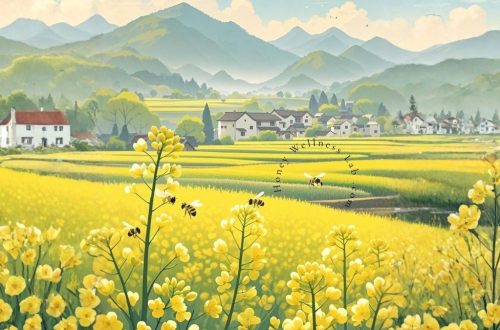
Mountain honey is often considered a premium variety due to its natural origin, limited production, and unique environmental conditions. Collected from high-altitude regions where plant diversity and ecological conditions differ from lowland areas, mountain honey is valued for both its flavor and potential wellness properties.
Many consumers associate mountain honey with higher purity and nutritional quality, especially when it comes from less polluted environments. Understanding what makes mountain honey different can help you decide whether it fits your health and lifestyle needs.
What Is Mountain Honey?
Mountain honey refers to honey produced in high-altitude regions where bees collect nectar from wild plants growing in natural ecosystems. These areas often experience lower levels of industrial pollution and may contain a wider variety of flowering plants.
Because environmental conditions influence nectar composition, mountain honey may have distinct characteristics compared to conventional honey.
Potential Benefits of Mountain Honey
Richer Antioxidant Content
Honey derived from diverse wild plants may contain higher antioxidant levels. Antioxidants help protect the body from oxidative stress, which is associated with aging and environmental factors.
Darker honey varieties from mountainous regions are often associated with stronger antioxidant activity.
Natural Purity
Remote mountain environments are typically less exposed to agricultural chemicals and pollution. While purity still depends on production practices, many consumers perceive mountain honey as more natural.
Unique Flavor Profile
Mountain honey often has deeper and more complex flavors compared to standard commercial honey. The taste varies depending on plant species, climate, and altitude.
This complexity contributes to its premium positioning.
Energy Support
Like other natural honey varieties, mountain honey contains carbohydrates that can provide quick and sustained energy. When minimally processed, it retains natural compounds that may support daily energy balance.
This makes it popular among individuals seeking natural alternatives to processed sugar.
Why Mountain Honey Is More Expensive
Several factors contribute to higher prices:
• Limited production volumes
• Difficult harvesting conditions
• Remote locations
• Manual collection methods
• Transportation challenges
These factors increase production costs compared to mass-produced honey.
How to Choose Quality Mountain Honey
If you are interested in mountain honey, consider:
• Source transparency
• Minimal processing
• Trusted suppliers
• Authentic labeling
• Reasonable pricing relative to quality
Not all products labeled “mountain honey” guarantee authenticity, so careful selection is important.
Who May Benefit from Mountain Honey?
Mountain honey may appeal to people who:
• Prefer premium natural foods
• Seek richer flavors
• Value origin transparency
• Want natural energy support
• Appreciate traditional wellness products
Final Thoughts
Mountain honey stands out due to its natural environment, unique flavor, and perceived purity. While it shares many benefits with other honey types, its production conditions and limited availability contribute to its premium value.
Choosing high-quality mountain honey can be part of a balanced lifestyle focused on natural wellness and energy support.